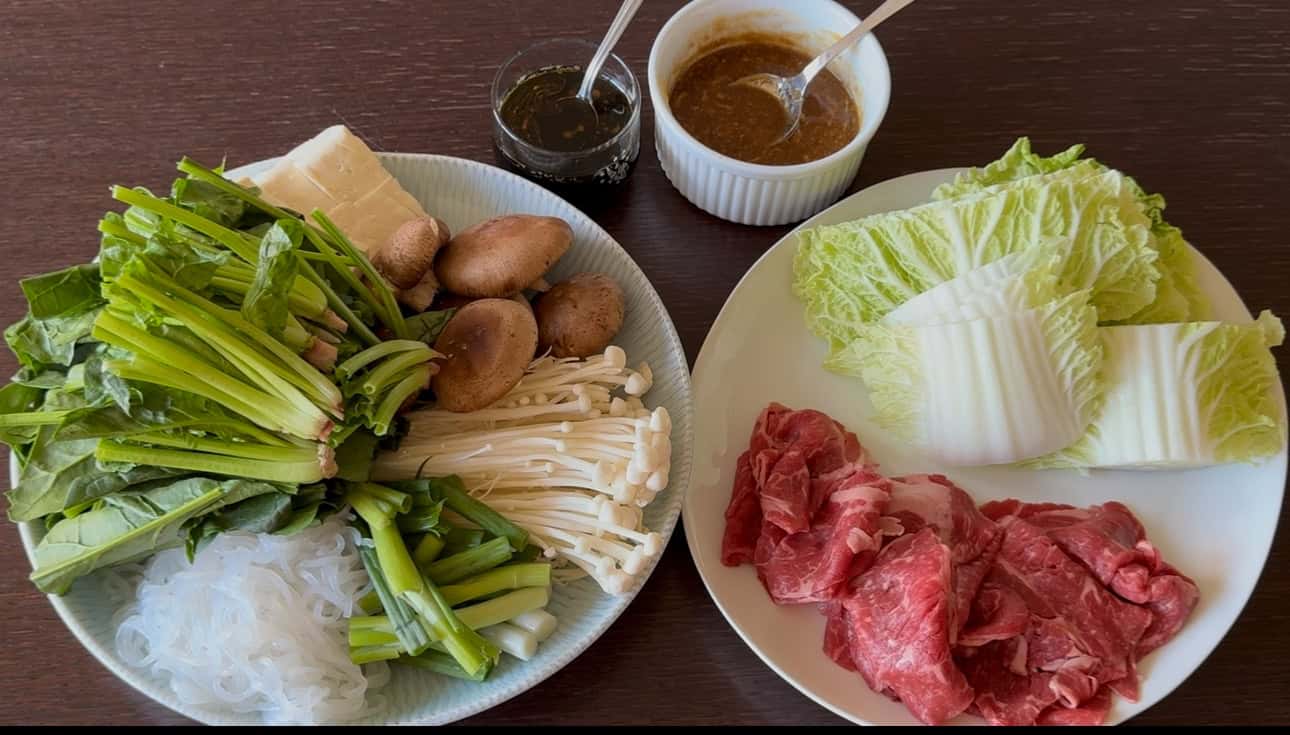
Ingredients
Method
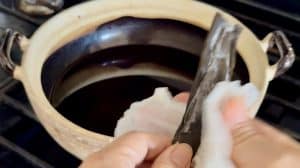
- Add 4 cups of water to a pot. Gently wipe a 8-inch long piece of kombu seaweed. Add the kombu to the cold water and cover and leave to soak for 30 minutes.
- Make the tare (dipping sauces): For soy sauce tare, mix 3 tbsp soy sauce with 3 tbsp rice vinegar and 2 tbsp sugar. Add 1 tbsp sesame oil as an option for an extra flavor.
- For sesame tare, mix 2 tbsp tahini with 2 tbsp each of rice vinegar and sugar, 1 tbsp soy sauce, 1/2 tbsp white miso, and a pinch of salt. Mix until it blends completely.
- Start the heat on low to warm the kombu pot water, and very gently bring it close to a boil. This should take about 20 minutes.
- Prepare ingredients: Remove the fresh shiitake mushroom stems.
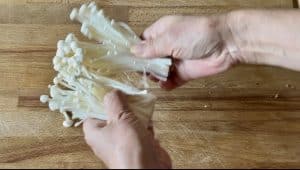
- Trim the bottom of the enoki mushrooms and pull them gently apart.
- Cut the tofu into equal sized cubes. Remove the scallion roots, and slice into 2-inch pieces.
- Drain the shirataki noodles, and cut them into easy-to-eat lengths.
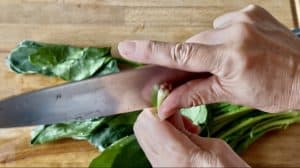
- Wash the spinach and slit the root ends crosswise, and cut the leaves into pieces.
- Cut off the bottom of the Chinese cabbage and slice the leaves into 2 inch pieces.
- Arrange everything together onto serving plates.
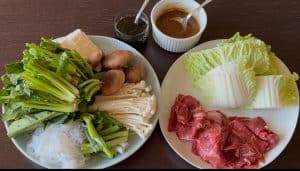
- When the kombu water is just starting to simmer, take the kombu out of the broth.
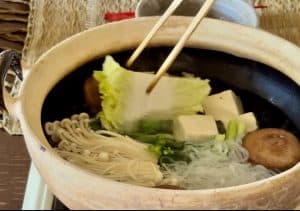
- Add mushrooms, tougher parts of the vegetables, tofu, and shirataki noodles to the broth.
- Once the broth starts boiling, start also adding the slices of meat.
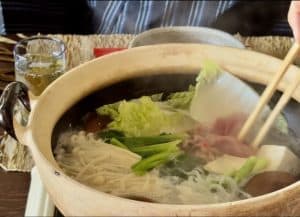
- As each ingredient is cooked and ready, everyone can fill their bowl, and start to eat! From time to time, add more ingredients to cook, and keep eating until everything is used.
- Skim any foam off, to keep the broth clean and tasty.
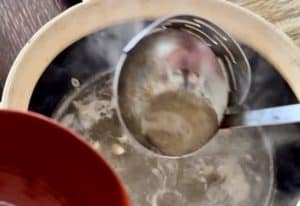
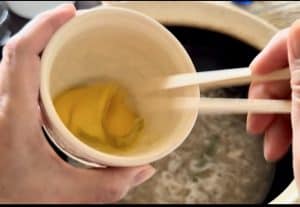
- Shime finale: As an option, when most of the ingredients are gone, add the cooked rice and stir, and then add a raw beaten egg to the broth and stir thoroughly. Add any leftover vegetables, if you wish. Spoon into each individual bowl and serve as a last course!We hope you enjoy your "TOKYO FLAVORS, NEW YORK STYLE" meal!
Notes
• Can we use the cooked kombu for another dish?
After removing the kombu from the pot, some people discard it, while others turn it into a tasty little side dish called tsukudani.
You thinly slice the kombu, stir-fry it with a bit of oil, then season with sake, sugar, and soy sauce. Simmer until the liquid evaporates and enjoy it with steamed Japanese rice. • Cooking the meat
Add the meat slices little by little, because shabu shabu beef is best eaten immediately once it is cooked:
For beef, remove it the moment the color changes.
For pork, make sure all the pink has disappeared before taking it out of the broth. • Alternative “shime” closing
If you’re finishing the meal with udon noodles (dried or frozen) instead of rice, boil the udon until almost done before adding to the broth.
Always boil the udon right before adding it to the pot for the best texture.
After removing the kombu from the pot, some people discard it, while others turn it into a tasty little side dish called tsukudani.
You thinly slice the kombu, stir-fry it with a bit of oil, then season with sake, sugar, and soy sauce. Simmer until the liquid evaporates and enjoy it with steamed Japanese rice. • Cooking the meat
Add the meat slices little by little, because shabu shabu beef is best eaten immediately once it is cooked:
For beef, remove it the moment the color changes.
For pork, make sure all the pink has disappeared before taking it out of the broth. • Alternative “shime” closing
If you’re finishing the meal with udon noodles (dried or frozen) instead of rice, boil the udon until almost done before adding to the broth.
Always boil the udon right before adding it to the pot for the best texture.